Best Infrared Sauna for Home Use in 2026: Buyer’s Guide
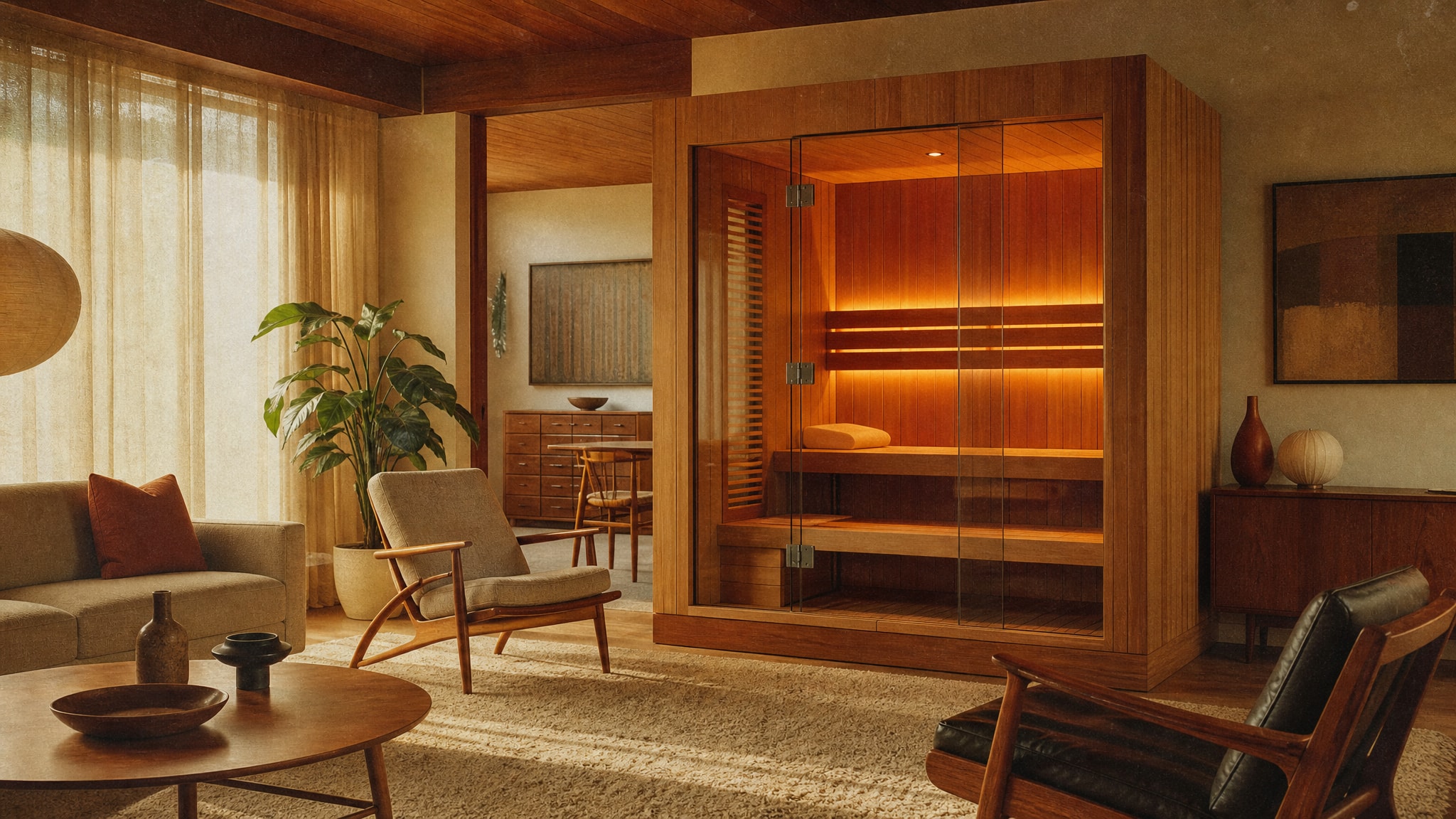
Creating a private wellness retreat at home takes more than buying an appliance. It takes a deliberate approach to equipment that supports your specific recovery goals. The best infrared sauna for home use in 2026 is the anchor of that retreat, pairing therapeutic performance with a look that belongs in a house, not a gym. When you weigh options by how they'll fit your daily life, rather than by spec sheets alone, the decision stops being about buying a heater and becomes about building a space for sustained well-being.
Defining the Best Infrared Sauna for Your Home Retreat
Start with a clear picture of how this space will fit your daily routine and your rooms. A top-rated infrared sauna matches your available square footage, while still giving you enough interior room to actually relax rather than feel boxed in. Get that balance right and the unit becomes part of your living space, not a piece of gym equipment parked in a corner.
The best home infrared sauna models put the user's experience ahead of raw power, because a living room isn't a commercial spa. You want a system that reaches therapeutic temperatures efficiently and keeps the air comfortable enough that you'll actually want to stay in for the full session. That balance of performance and comfort is the real benchmark for residential wellness equipment right now.
Aesthetic integration matters as much as technical capability when you're designing a sanctuary rather than installing a machine.
Critical Selection Criteria for Home Infrared Saunas
Build quality isn't just the surface finish; it's how the materials hold up under repeated thermal stress. Hemlock or cedar of good quality resists warping and keeps its structural integrity through repeated heating cycles, which is what keeps your sauna stable and safe for years. Premium infrared saunas also spread heat evenly across every panel, so you don't get cold spots during a long session, and that evenness is a big part of the therapeutic value you're paying for.
Electrical safety and EMF emissions are non-negotiable for any unit going into daily family use indoors. Homeowners often say low-EMF certification is the deciding factor when they're choosing a sauna for everyday use at home, and that reflects a real, growing concern about environmental health in the house. Check that any model you're considering carries recognized safety certifications and shows its testing data before you commit.
Heater consistency decides whether your sessions deliver even benefits or leave you shifting position to find the warm spot.
Nordara Infrared Collection: Setting the Premium Benchmark
Nordara builds its infrared collection to fit modern home interiors without giving up therapeutic performance, according to the brand's stated design philosophy. That's a different starting point than generic alternatives, which often make you choose between looking good and working well. Look closely at these models and you'll see construction details that show an understanding of how premium wellness equipment should feel and perform in a house.
The collection is aimed at homeowners who won't compromise on design or effectiveness in their own retreats. Each unit uses heating elements calibrated for tissue penetration, while keeping the clean lines and finishes you'd expect in a contemporary interior. That combination of form and function sets a high bar for what a premium home sauna brand should deliver in 2026.
Craftsmanship at this level makes routine maintenance effortless.
Optimizing Space and Power for Indoor Installation
Getting an infrared sauna into your house starts with accurate measurements, both for the unit's footprint and for the clearance around it. You need enough ventilation around the exterior panels to stop heat building up against the walls and to keep operation safe. Plan this out before you buy, and your wellness space will feel intentional rather than squeezed into whatever alcove was left over.
Electrical compatibility often decides where you can actually put the unit without paying for new wiring. Most residential infrared saunas run on a standard household outlet, but check the amperage against your circuit's capacity so you're not tripping a breaker mid-session. Knowing these power requirements early narrows your search to models that genuinely fit your home's electrical setup.
Proper floor preparation protects both the sauna and the surface underneath it from moisture and weight.
Full Spectrum vs. Single Wavelength Technology
Knowing the difference between full-spectrum and single-wavelength systems lets you match the technology to what you actually want from it. Near-infrared wavelengths work close to the skin's surface, supporting skin health and cell regeneration, which suits cosmetic or surface-level recovery goals. Far-infrared wavelengths reach deeper into muscle and joint tissue, which is where most of the relaxation and detox benefits people associate with sauna therapy come from.
Full-spectrum units combine multiple wavelengths in a single session, though that versatility costs more. If your goal is specific, say athletic recovery or pain management, a single-wavelength system targeted at that may serve you better than paying for breadth you won't use. Be honest about your priorities and you'll avoid buying capability you'll rarely touch, while still getting the technology that actually serves your needs.
No single wavelength configuration suits every user equally.
Evaluating Value Beyond the Initial Price Tag
Judging long-term value means looking at warranty coverage, energy efficiency, and how the materials are expected to hold up, not just the sticker price. Budget models often use thinner wood and less efficient heaters that wear out faster, so you end up replacing the whole unit sooner, which costs more in the end than buying well the first time. You deserve a clear answer on expected lifespan and running costs, so the decision fits your actual long-term plans.
Energy efficiency affects your utility bill and your footprint for as long as you own the sauna. A well-insulated cabin with good heating elements reaches target temperature faster and holds it on less power, which means better sessions for less ongoing cost. That saving compounds over years, which is why premium construction often makes financial sense even with a higher price up front.
Good joinery stops the air leaks that waste energy and dull heating performance.
Designing a Complete Home Wellness Sanctuary
An infrared sauna works best as the centerpiece of a wider recovery space, not a standalone purchase. Adjustable lighting, seating built for comfort, and contrast therapy nearby turn a simple heating chamber into somewhere you actually want to spend time. Engage more than one sense and support more than one recovery method, and you get a space that invites regular use instead of sitting unused.
Contrast therapy pairs naturally with infrared heat, and the two together sharpen circulatory benefits and speed up recovery after exercise. Put a cold plunge nearby and you can move between hot and cold without ever leaving your retreat, which is where the real physiological payoff of temperature contrast comes from. That combination turns your home wellness routine from passive heating into something more deliberate.
Thoughtful accessories reinforce the ritual of the routine itself.
Frequently Asked Questions
Is there a downside to using an infrared sauna at home?
Infrared saunas require adequate ventilation and proper electrical capacity to operate safely, which may limit installation options in older homes or tight spaces. Some users also find the dry heat less intense than traditional steam saunas, which can be a drawback if you prefer heavy sweating. Regular cleaning and maintenance are necessary to preserve wood integrity and heater performance over time.
What is the healthiest type of infrared sauna for home use?
Full spectrum infrared saunas are generally considered the healthiest option because they combine near, mid, and far wavelengths to address skin health, circulation, and deep tissue recovery simultaneously. However, the healthiest choice ultimately depends on your specific goals; far-infrared alone may be preferable for pain management, while near-infrared better serves skin rejuvenation. Always verify low-EMF certification regardless of wavelength configuration to minimize electromagnetic exposure during daily use.
How much does it cost to run an infrared sauna monthly?
Operating costs vary based on local electricity rates, session frequency, and unit efficiency, but most residential infrared saunas consume significantly less power than traditional steam saunas. A well-insulated model used for thirty minutes daily typically adds a modest amount to monthly utility bills. Investing in energy-efficient construction pays dividends over years of regular use through reduced operating expenses.
Can I install an infrared sauna in any room of my house?
You can install an infrared sauna in most rooms provided you have adequate floor space, proper ventilation clearance, and compatible electrical circuits. Basements, spare bedrooms, and dedicated wellness areas work best due to stable temperatures and privacy. Avoid bathrooms or laundry rooms where humidity fluctuations could damage wood components over time.